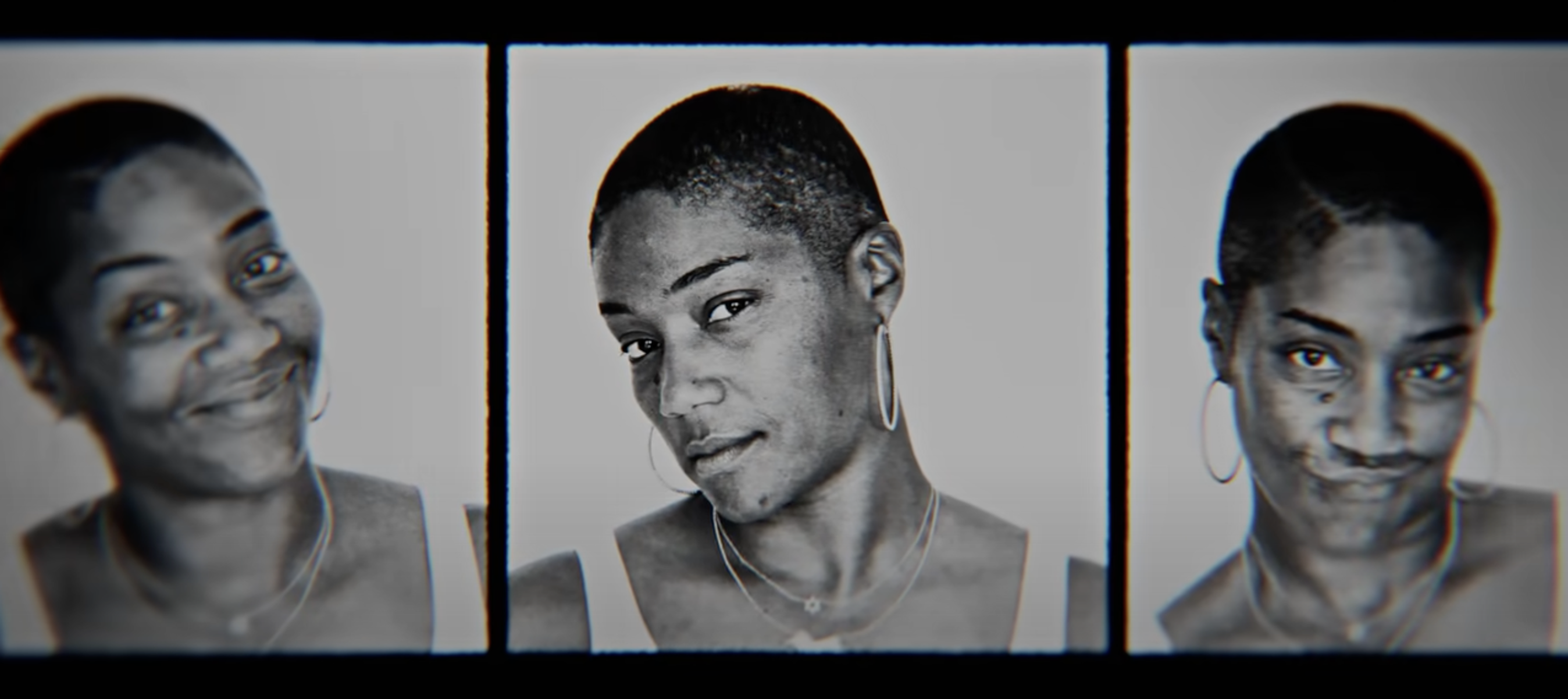
‘Number One On The Call Sheet’ is quite a fascinating look into the undoable biases of the film industry. The documentary is divided into two parts, one for males, and one for females, which illuminates not just the disparities that actors may face with race, but with gender as well. Masterfully directed by Shola Lynch, ‘Number One On The Call Sheet’ begins right from the top with highlighting that less than 4% of top grossing movies, star a Black actresses. The second half of this documentary duo, in a way, is a bit more intense than the first. Lynch focuses on the differences between having people to look up to that look like you, and how that differs between black men and black women actors.
Every story somewhat has the same tale about how it seemed very hard to break into real roles in the film industry, and recognizing the similarities illuminates a larger problem. There are many females actors who’s faces you will recognize, who’s work you will know, and who’s performances you may treasure, but the Apple+ documentary demonstrates the list of films that have shaped generations of people (of any race) and reminds people the importance of the Black women who starred in them.
Even issues like HAIR are touched upon, and how incredibly crucial of an aspect it is to attaining an aesthetic are focused on, especially when by the time it needs to look right on a film set, it may be too late. Everyone keeps digging into Meryl Streep in the documentary for some reason, but even though the comparison to actresses of other ethnicities is there, it’s necessary but not offensive.
It must be said however that the “second half” of this two piece series has a far more triumphant overtone than its counterpart, and feels far more rewarding. The entire cast is again composed of spectacular artists, who are all extremely supportive of one another, instead of being in competition. Women of color have made strides in winning awards, but it is highlighted that for some reason not ever ‘Best Actress’, only best supporting roles… with the exception of one. Halle Berry. It’s that topic, and MANY many more that get a good look into when you are the subject of a narrative, not the object. That’s why so many more people should take some time to have a gander at what Shola Lynch has helmed.