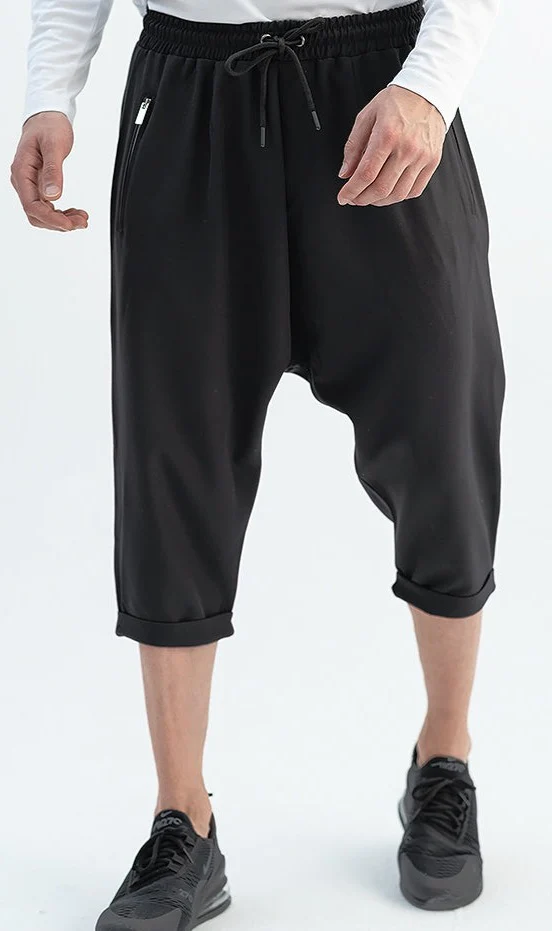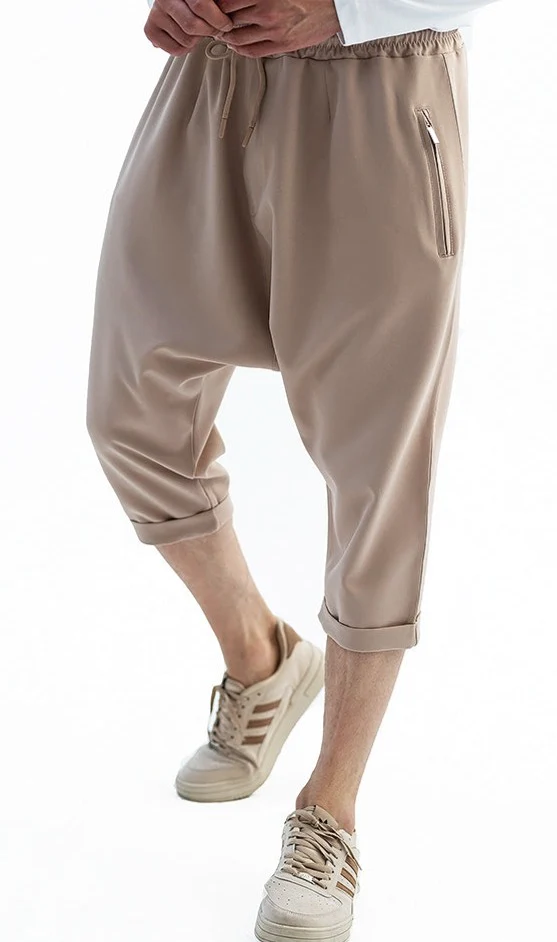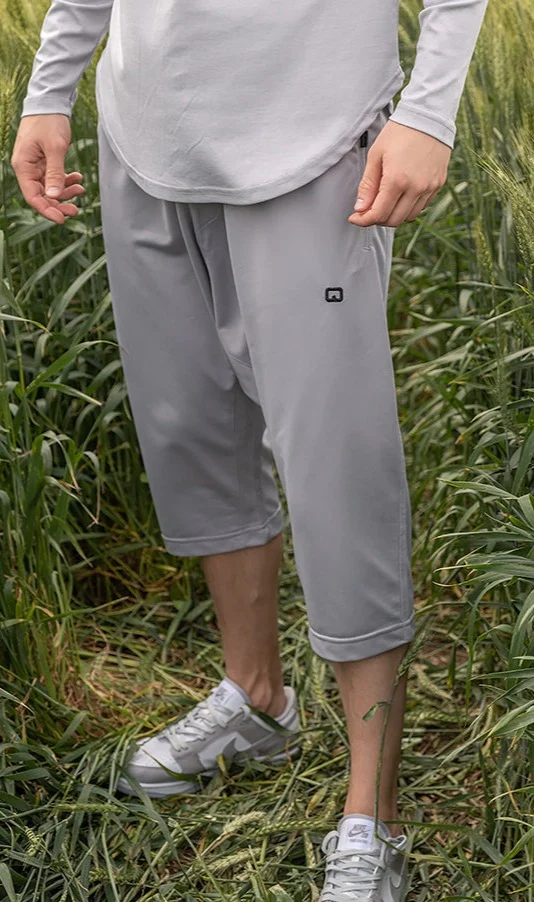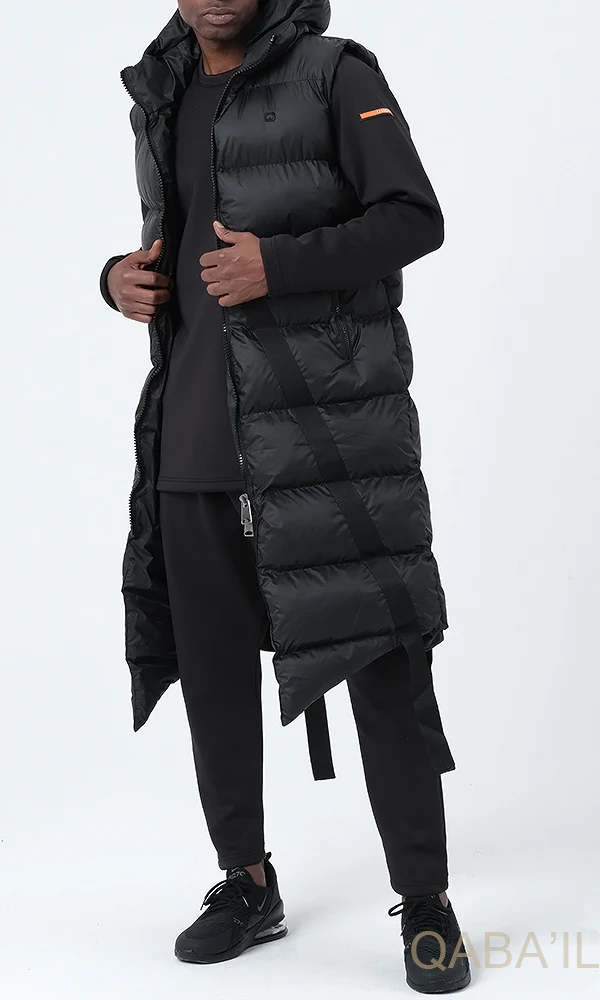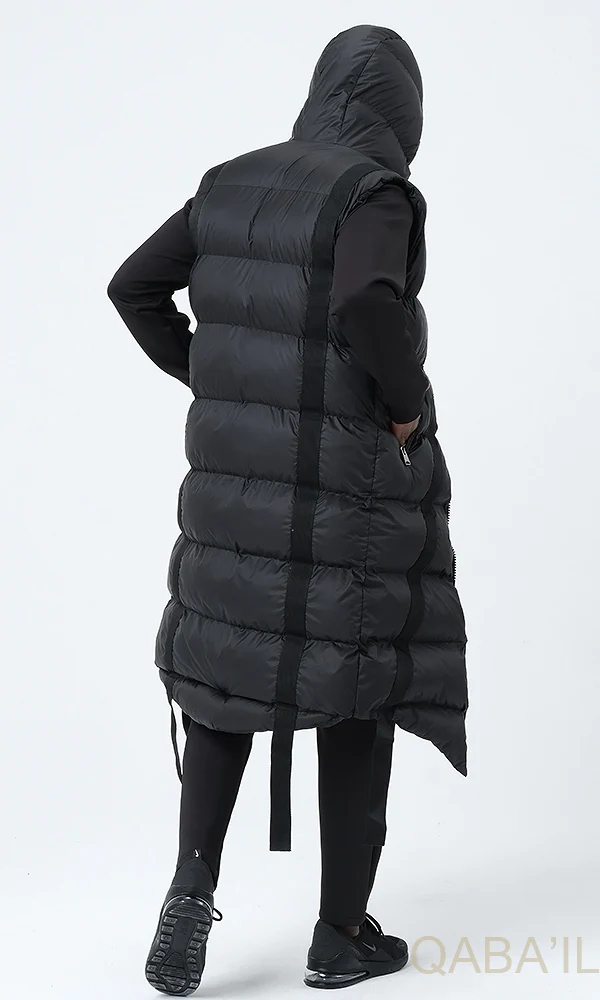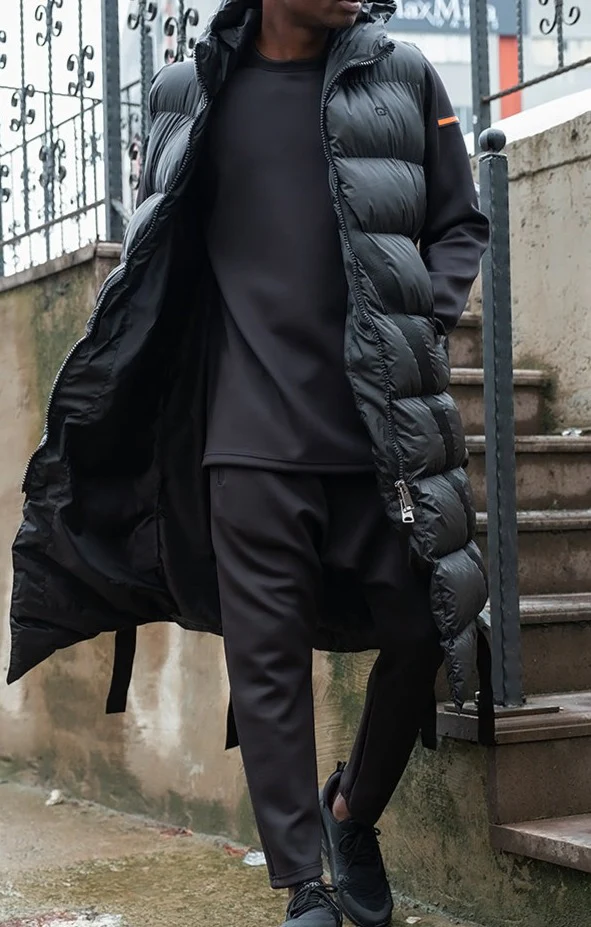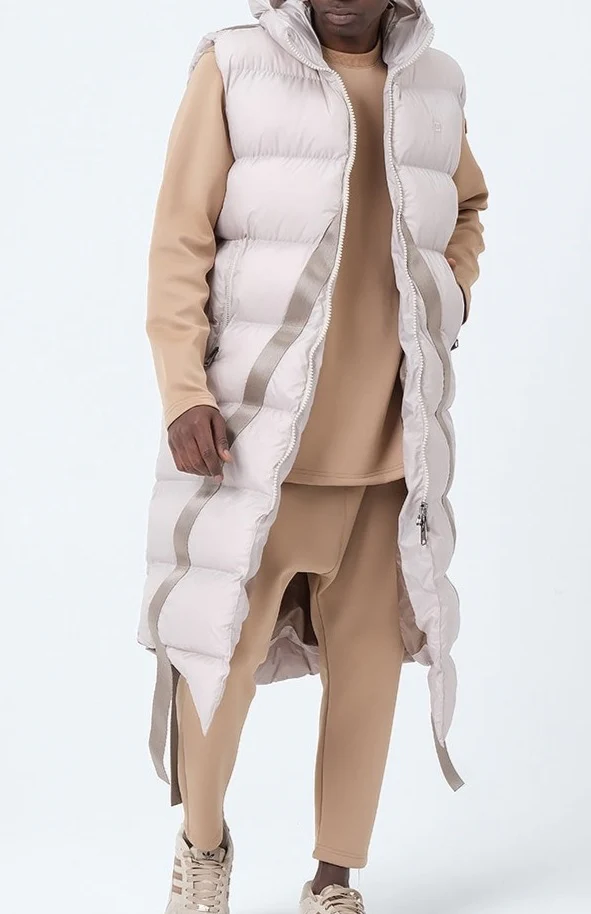
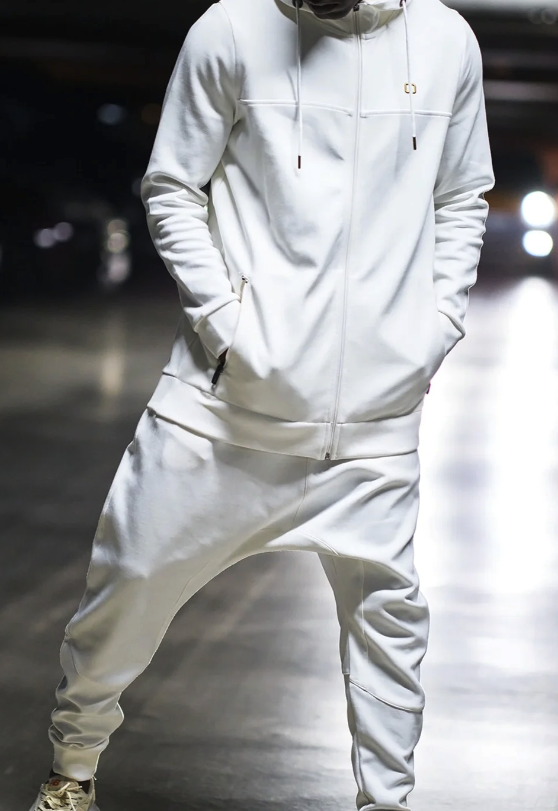
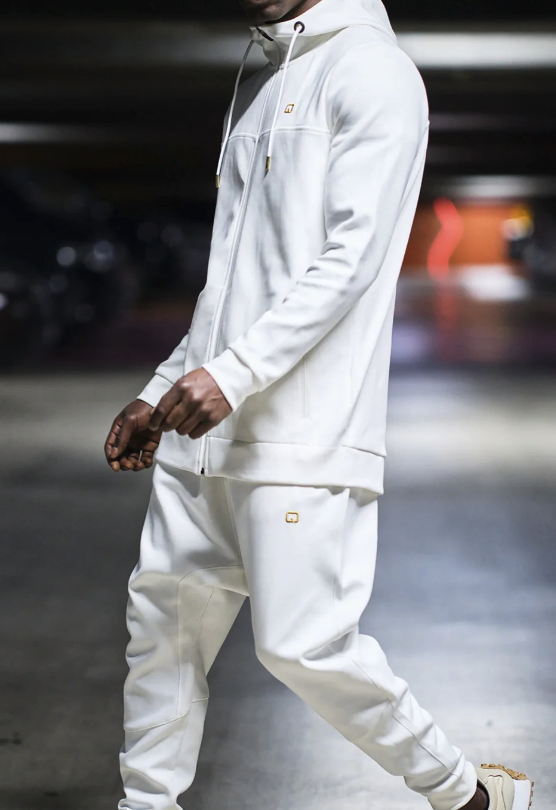
That sounds like a non-sensical sentence, but the title wasn’t meant to be confusing, neither are the products that MooMenn sell. The brand has nothing to do with beef… (or pork for that matter). Drawing inspiration from the modest attire worn by most Muslim men, MooMenn has been established with the aim of modernizing traditional Muslim clothing. The name “Moomenn,” signifying “believer” in Arabic, serves as the cornerstone of their mission. While men’s fashion in Islam, notably the Sirwal and Qamis, has remained largely unchanged, we are driven by our faith in Allah and His teachings to infuse creativity and bring a contemporary touch to this aspect of attire. Recognizing the limitations of traditional men’s clothing for various occasions such as social gatherings, everyday wear, work, or urban dressing, we set out on a journey to introduce a range of garments tailored to rejuvenate the fashion choices of Muslim men. Their collection offers a variety of options inspired by the Jubba, Qamis, Thobe, and Sirwal, combining fashion-forward designs with modesty. The goal at MooMenn is to provide fashionable yet modest clothing for young and adult Muslim men to wear confidently in any setting, celebrating their identity and adherence to Islamic dress codes. From traditional Thobes to Jubbas, Qamis, Sirwals, Sharwal Kameez, and Kurtas, they offer a diverse selection to suit every taste and occasion.
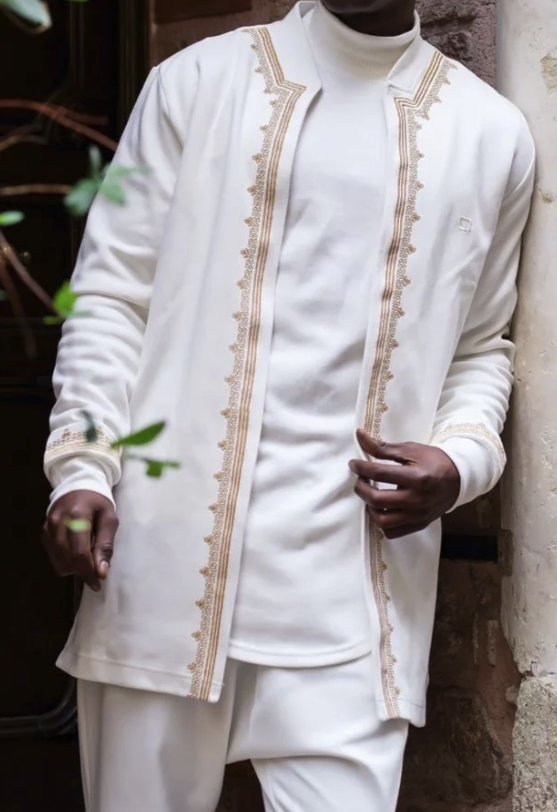
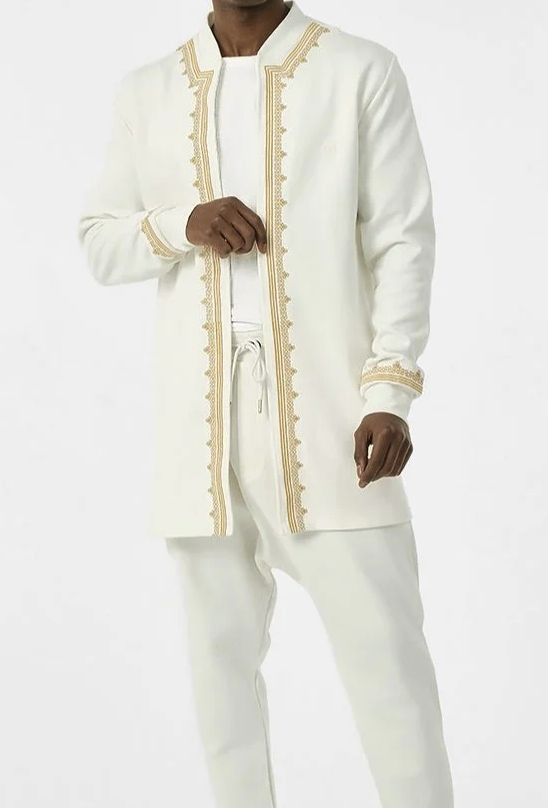
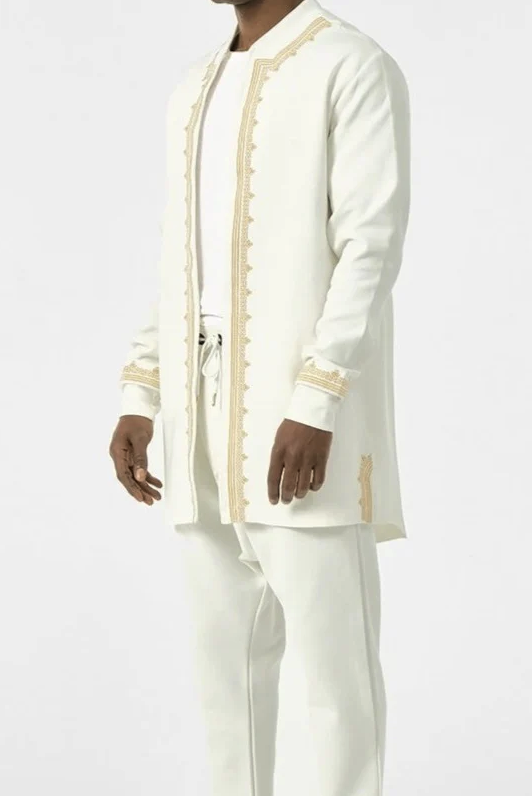
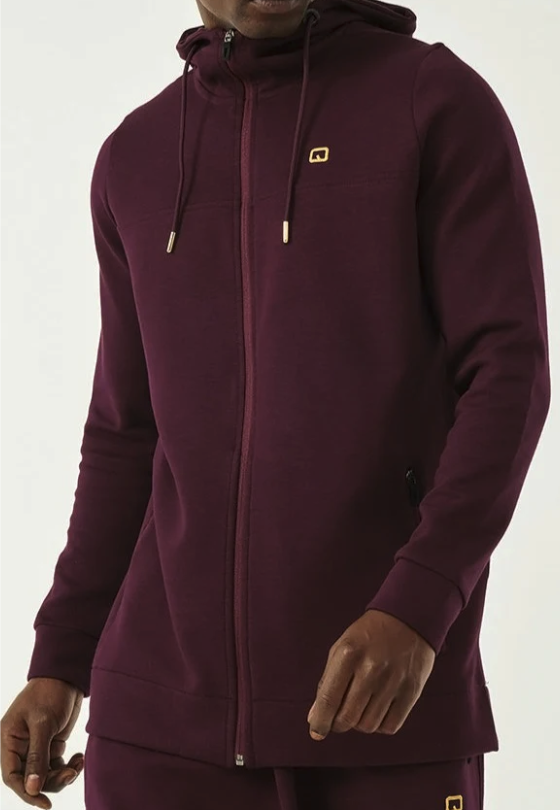
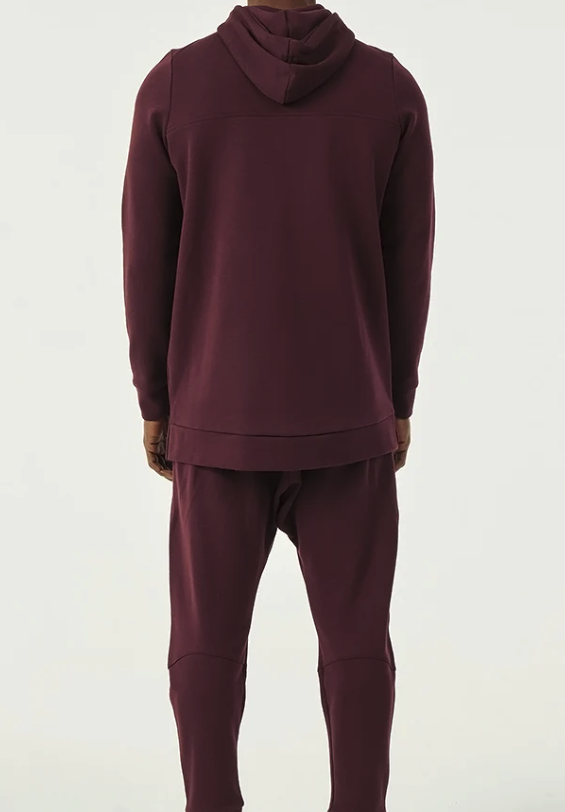
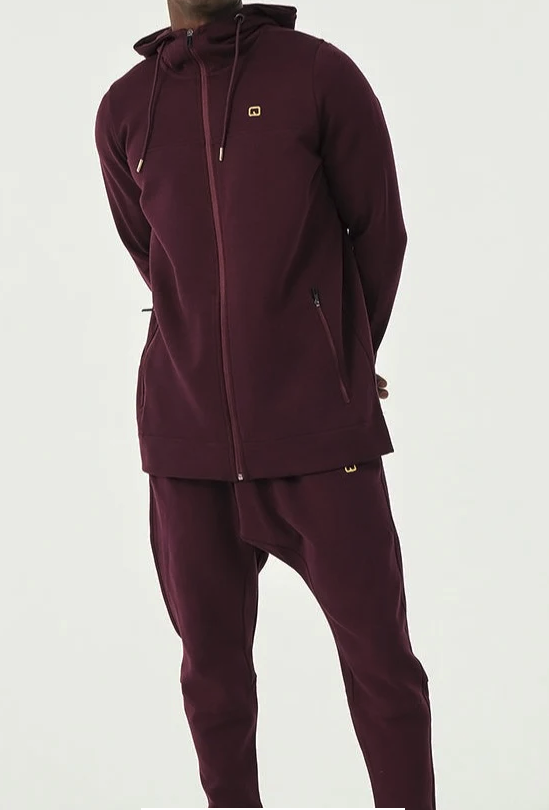
In Islam, wearing nice clothes is allowed by all means as is evident from the Sunnah of our Prophet and the Quran. What isn’t allowed is extravagance or pride, which is translated as ‘looking down upon others’ by our Prophet. Therefore, in a sense modest fashion is definitely allowed in Islam. Even if you look at the history of clothing amongst Muslims, MooMenn see this modesty in the form of flappy Sirwal and wide Qamis. In fact, throughout the ruling ages of Muslims such as Umayyad and Abbasid Caliphate, the Mamluk Sultanate, Ottoman Empire, Safavid Iran, the Mughal Empire, and all of those that aren’t mentioned here, there had been various forms of the Jubbah, Thobe, Qamis, and Sirwal. Although these names are more common in the rest of the Muslim world, including the Middle East and Africa, in Indian Subcontinent, there are different versions of these names; and therefore, different versions of the dress. “Shalwar” is worn to cover the lower body, while “Kameez” or “Kurta” are worn to cover the torso. The word Kurta can also be applied to a suit of Shalwar and Kameez sewn to form a certain fitting design. Sirwal, Qamis, and the rest of its derivatives are both for men and women. However, when it comes to women fashion, embellishment such as embroidery and different peripheral designs are applied. While this is also true for some regions in the men’s fashion, care is taken to make male clothes more modest and simple without the use of any vivid patterns.