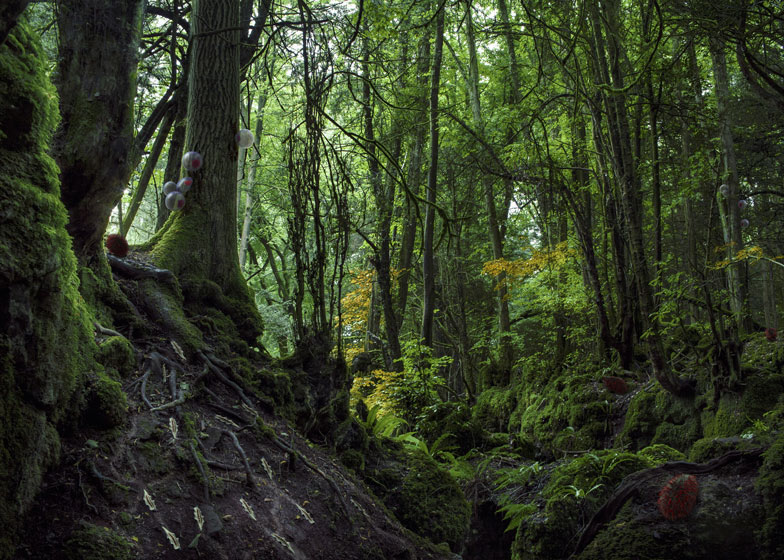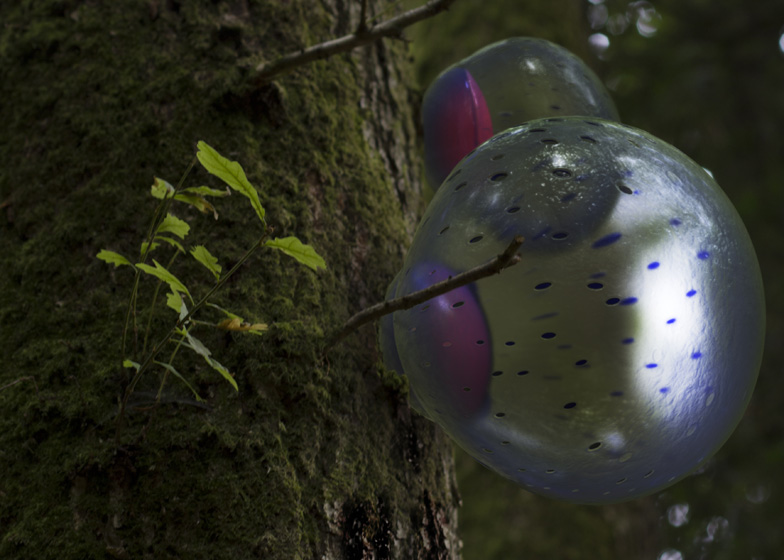
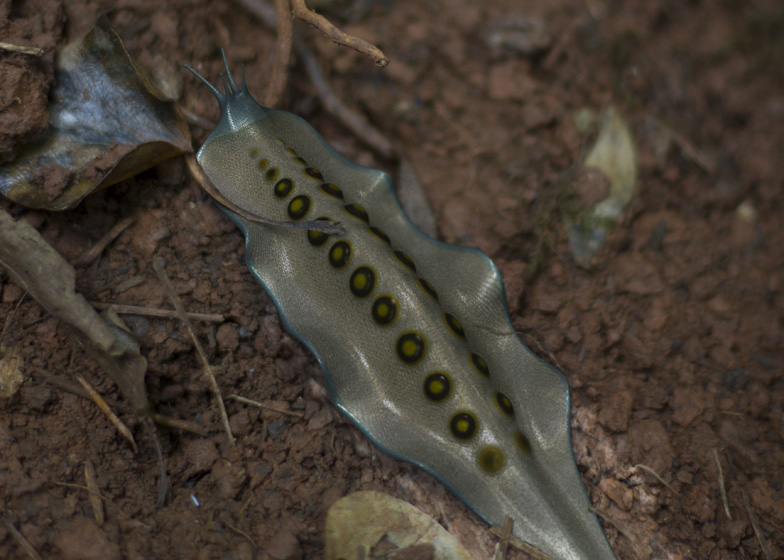
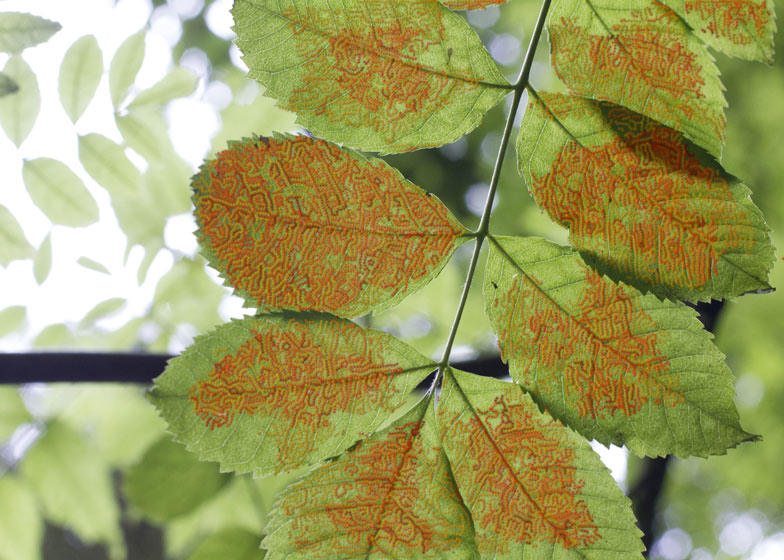
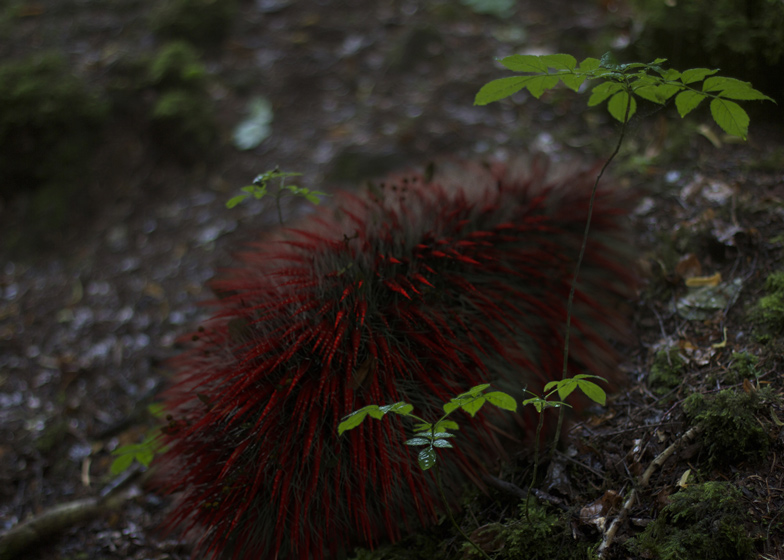
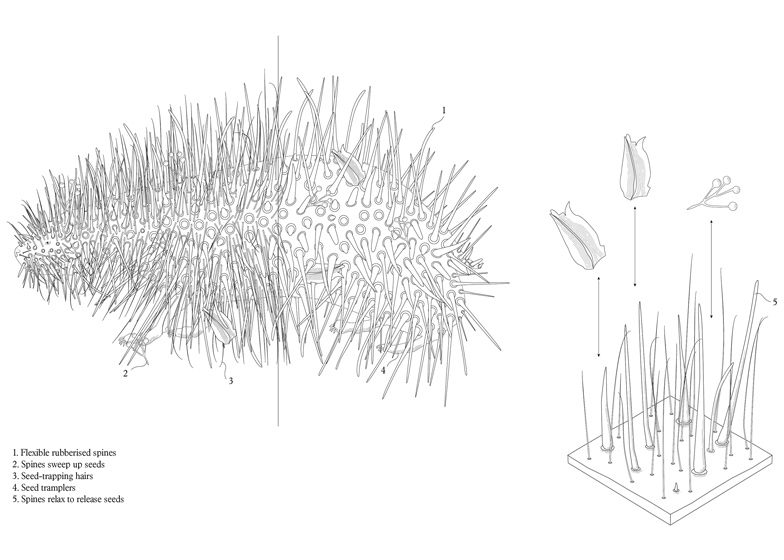
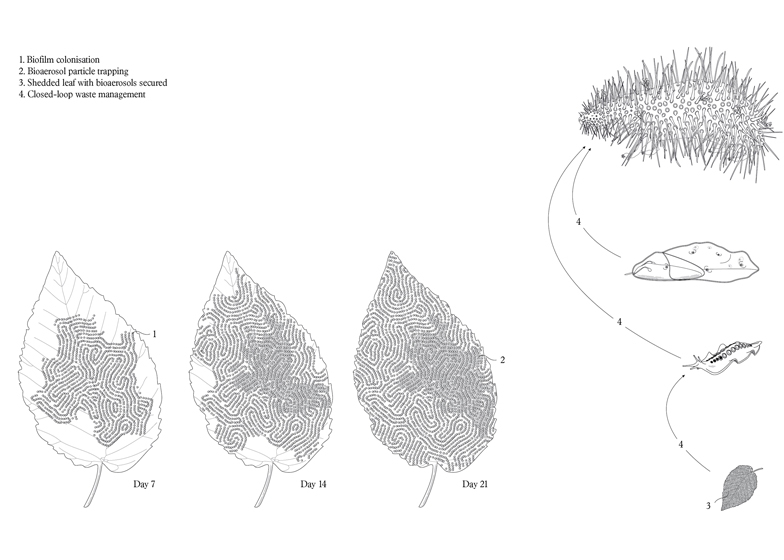
Synthetic living creatures would be released into the wild to save endangered species and clean up pollution under this futuristic proposal by designer Alexandra Daisy Ginsberg. Called Designing for the Sixth Extinction, the project is designed to trigger debate about how artificial organisms could be used to solve environmental problems. Ginsberg has proposed four new species, including a slug that leaves a trail of alkali to neutralise acidic soil, and a porcupine with sticky rubber spines that would help disperse seeds of threatened plants. There is also an artificial puffball that kills tree-damaging pathogens when it bursts; and a biofilm that grows on leaves and absorbs pollutants and viruses, safely removing them when the leaves fall in autumn. The creatures would be designed, patented and produced by corporations in the same way that industrial products are developed today. The corporations could use the creatures as a form of “biodiversity offsetting”, to make up for environmental damage caused by their activities. The creatures would be engineered to contain a genetic “kill switch” that would prevent them from over-breeding and creating new environmental problems.