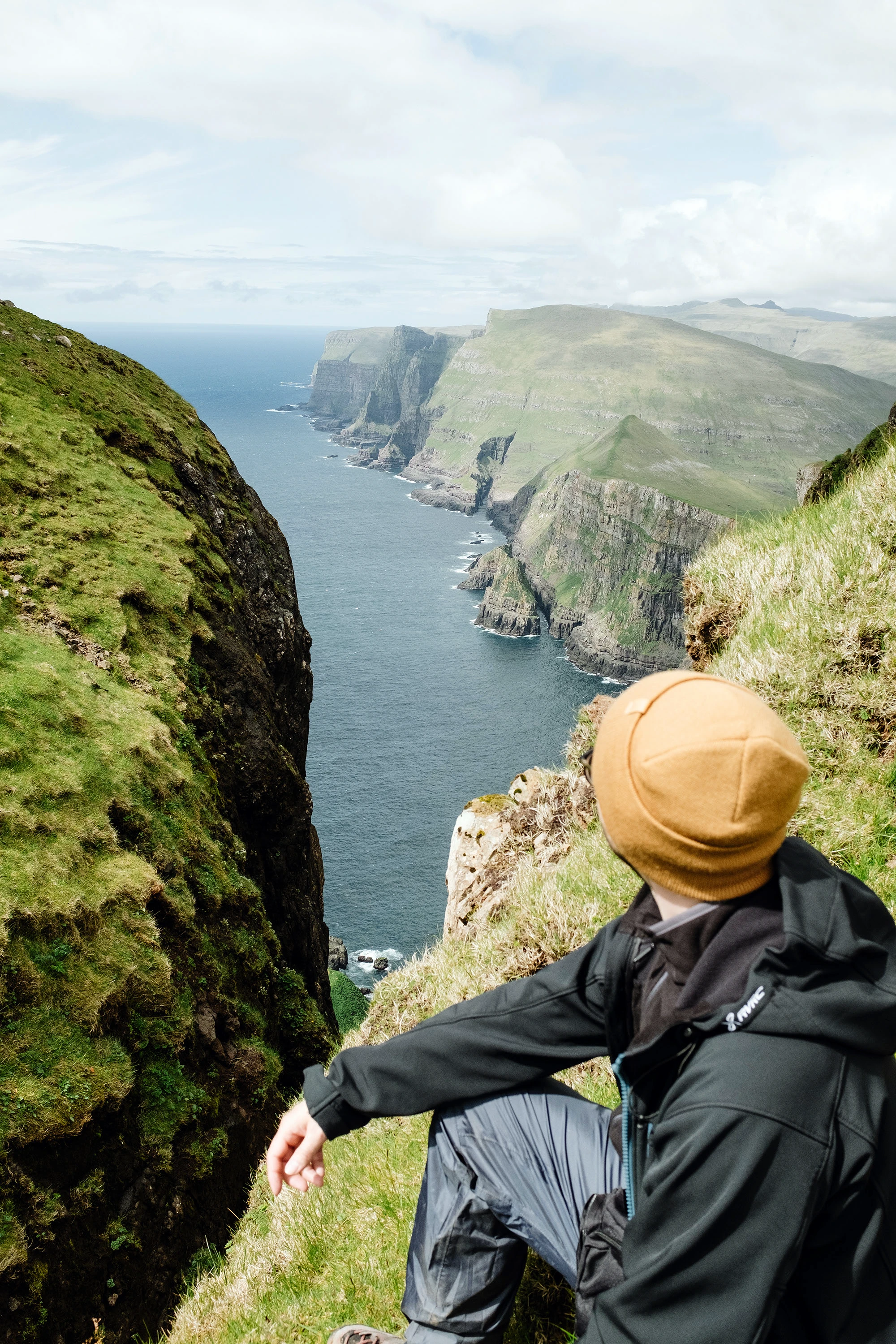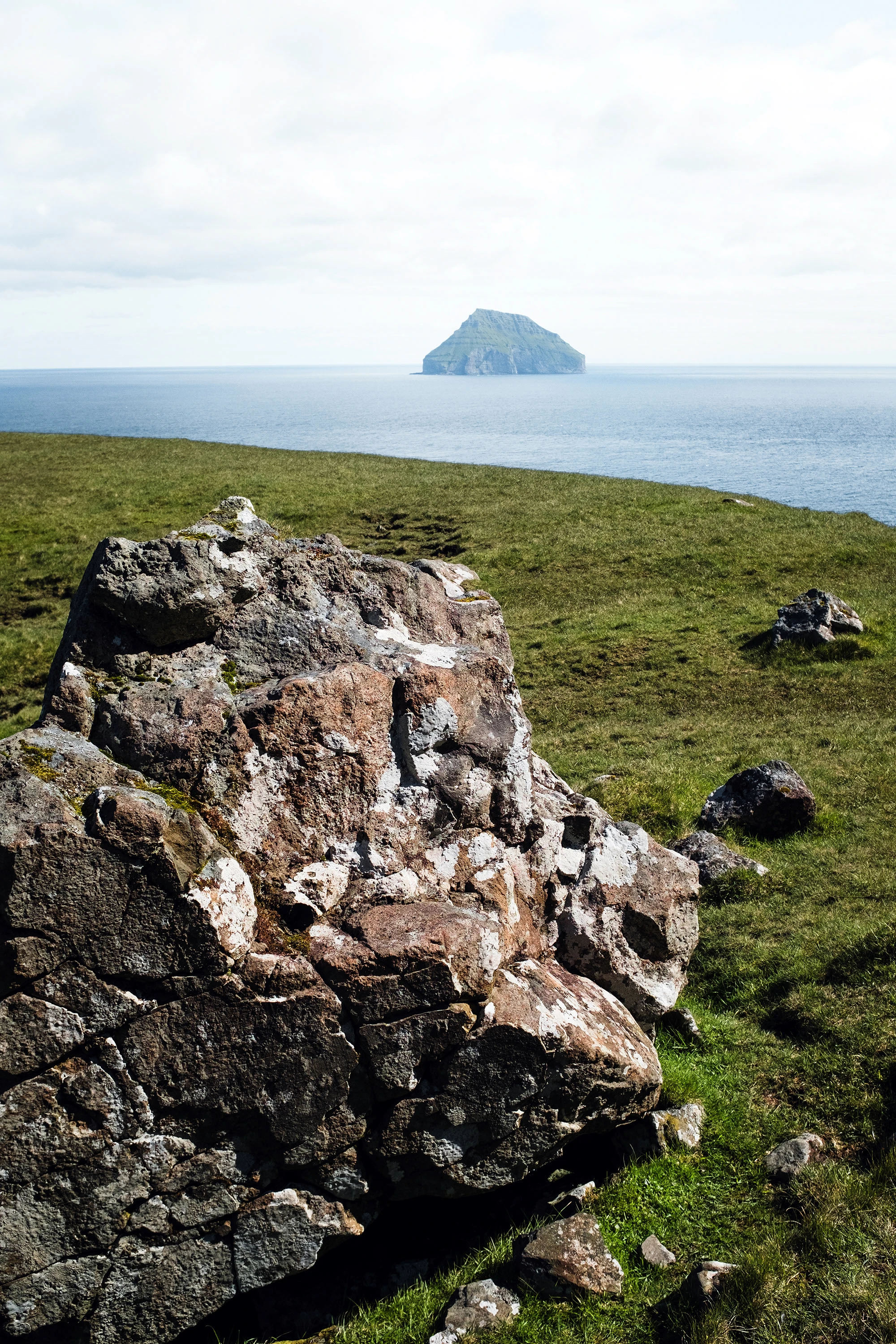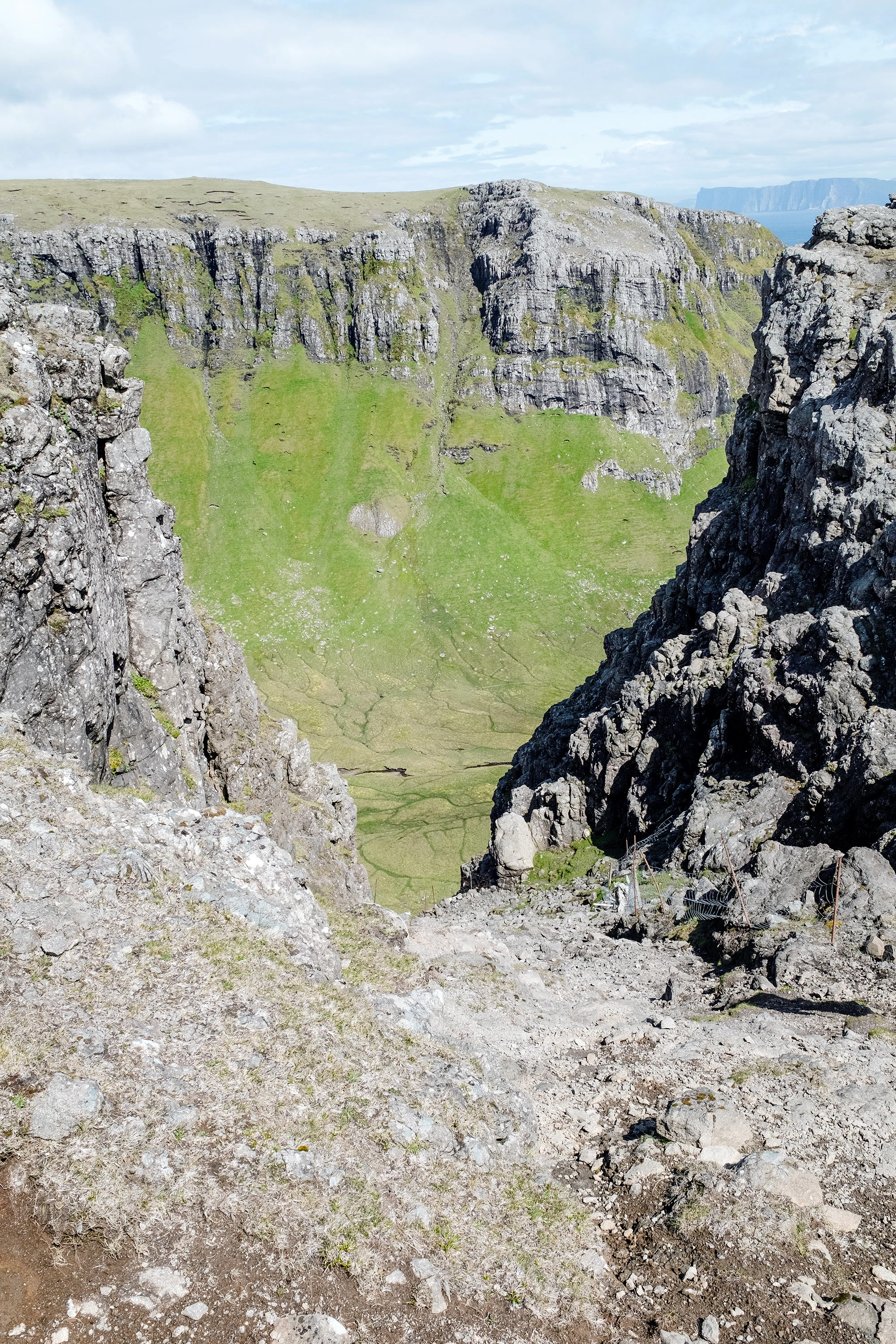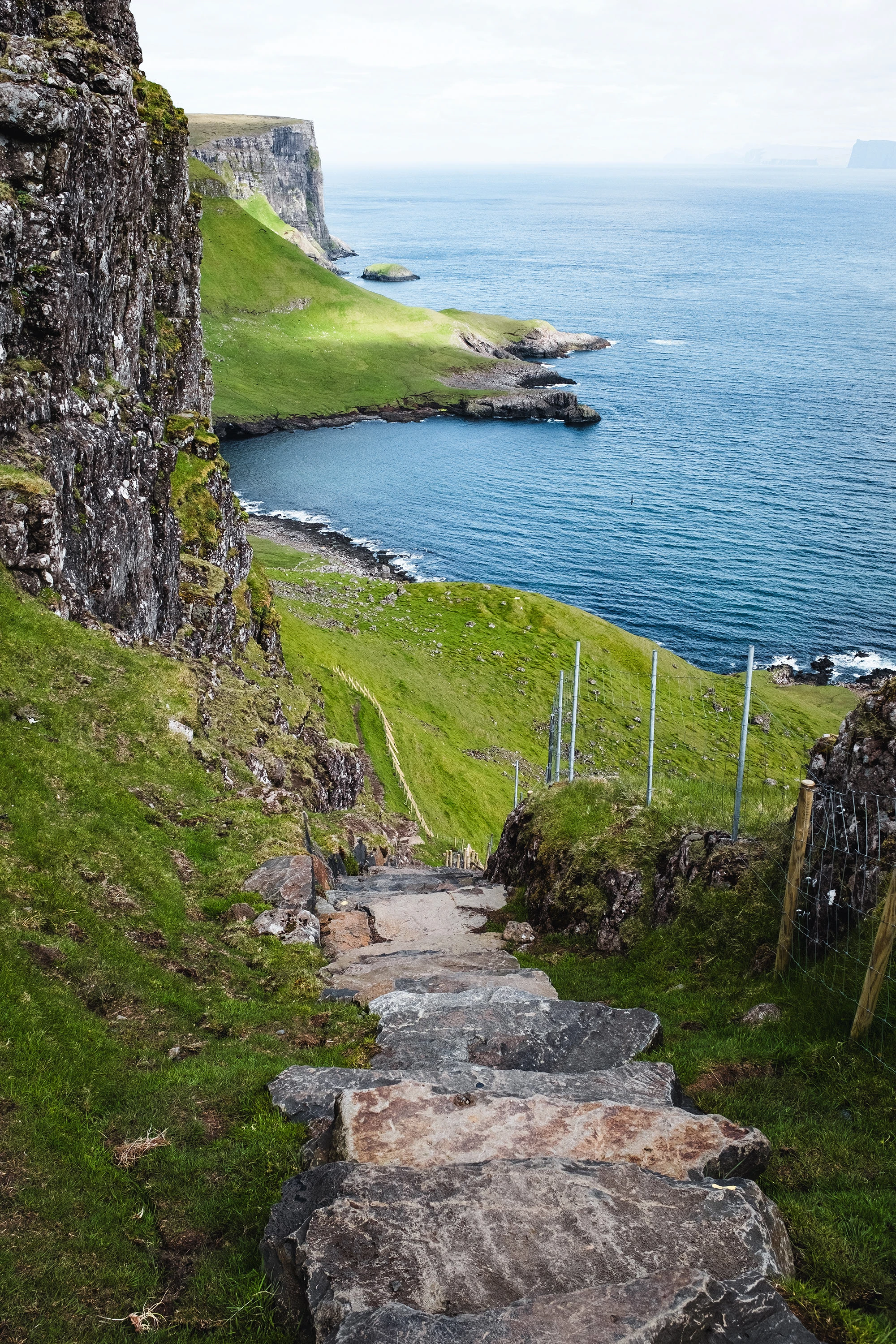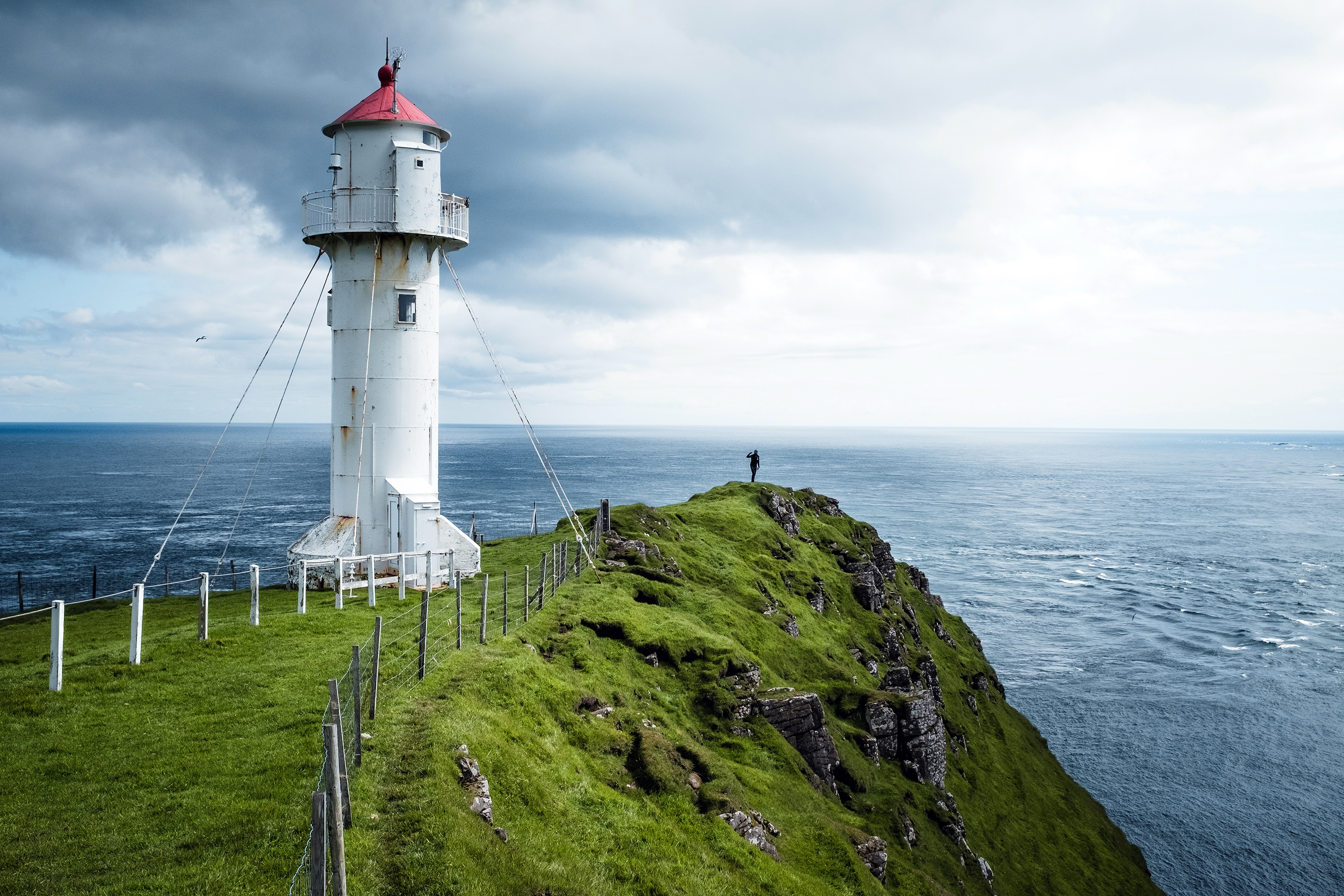


The Faroe Islands are a small but remarkable group of islands located in the North Atlantic Ocean between Iceland and Norway as the photographs by Paweł Forczek demonstrate. Composed of eighteen major islands connected by tunnels, bridges, and ferries, the Faroes are known for their steep cliffs, green hills, and misty weather. The capital city, Tórshavn, sits on the island of Streymoy and serves as the political and cultural center of the territory. Despite their isolated location, the Faroe Islands are home to about 55,000 people who have built a thriving community amid the rugged landscape.
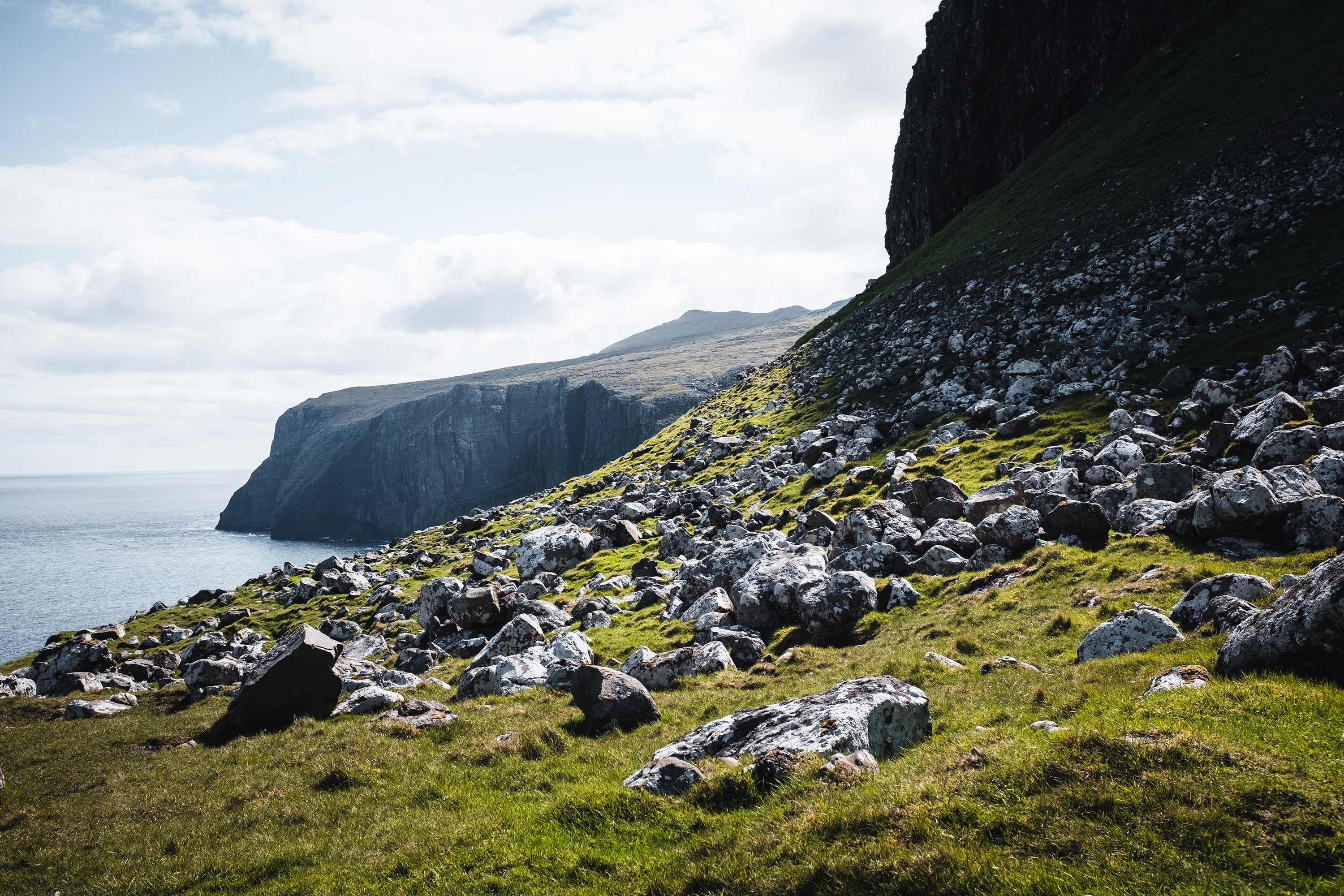


Politically, the Faroe Islands are self-governing but remain part of the Kingdom of Denmark. They have their own parliament, called the Løgting, and control most internal affairs such as education and taxation, while Denmark oversees defense and foreign policy. Interestingly, the Faroe Islands are not part of the European Union, even though Denmark is. The Faroese people primarily speak Faroese, a language closely related to Icelandic, and also use Danish. Their strong cultural identity and autonomy have allowed them to preserve their traditions and independence while maintaining close ties with Denmark.

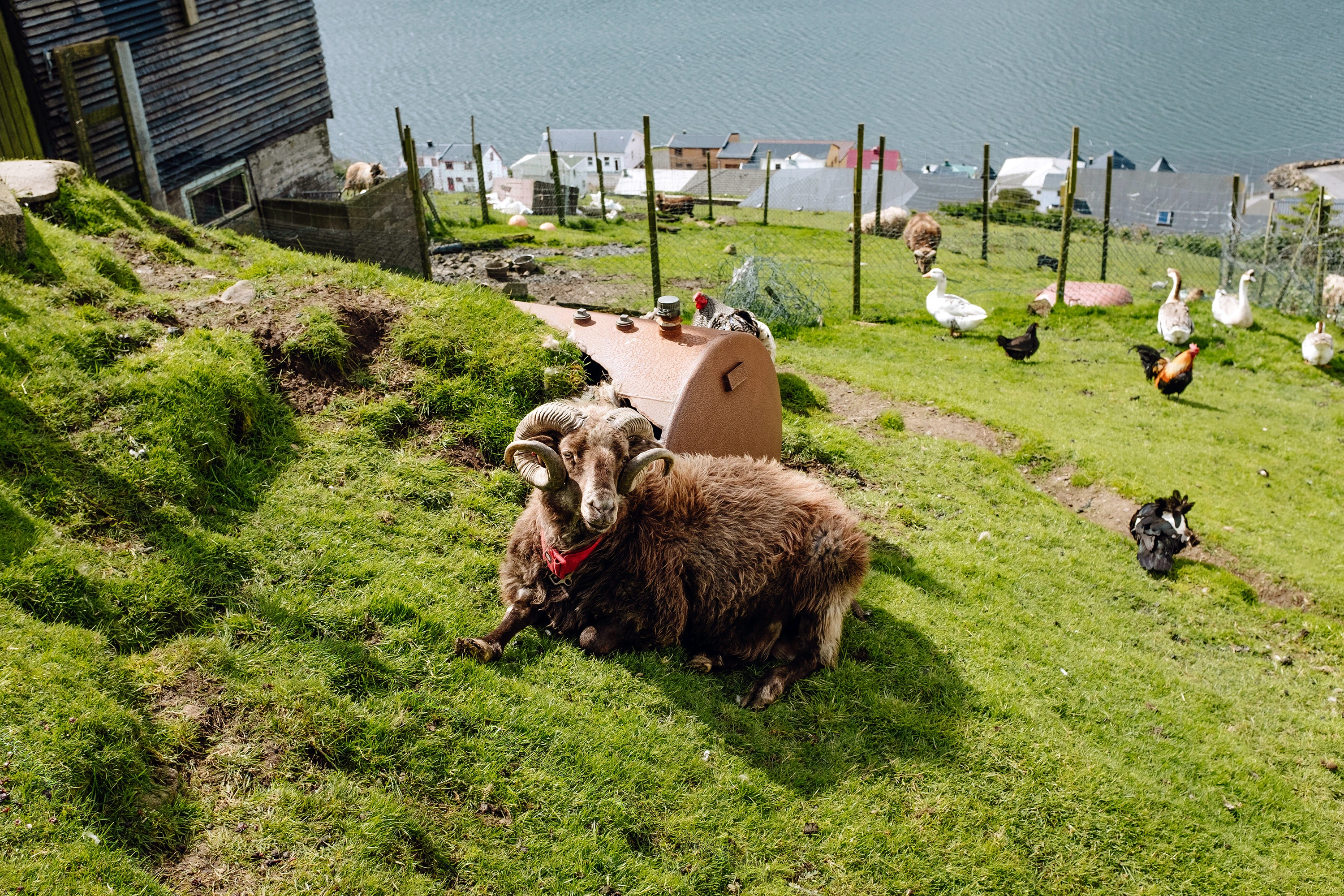
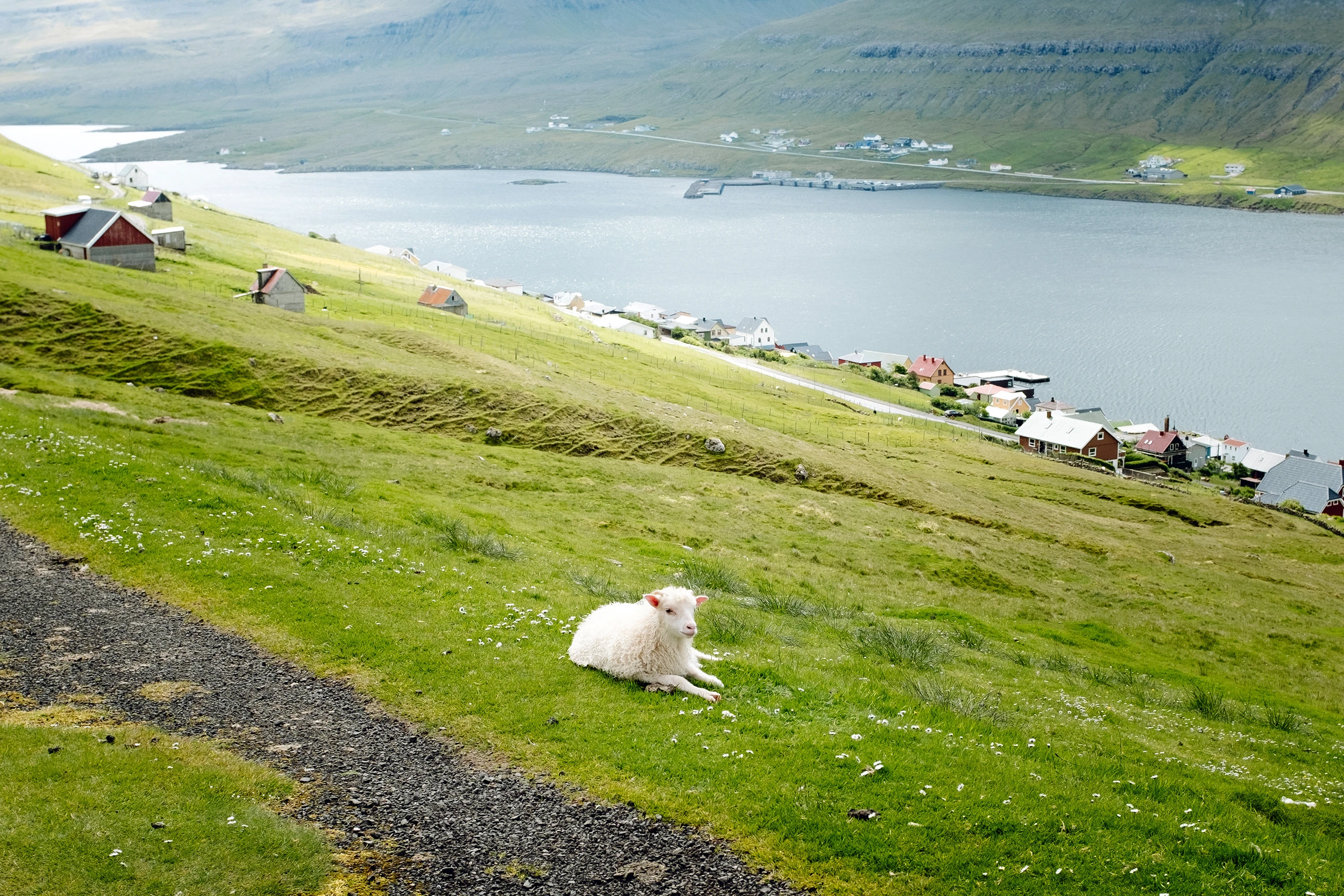

The Faroese economy is heavily based on fishing and aquaculture, which make up the majority of the islands’ exports. In recent years, tourism, renewable energy, and digital industries have also begun to grow. Life in the Faroe Islands reflects a deep connection to nature and the sea, with cultural traditions like storytelling, music, and the ancient chain dance still thriving today. While the weather is often cool and rainy, the islands’ dramatic scenery and strong sense of community make them a fascinating and resilient society in the North Atlantic.